
The Rudraksha Guide
Everything we believe a buyer deserves to know — origin, mukhi, choosing, wearing, caring, and how to tell a genuine Nepali bead from a market fake.
The Basics
Rudraksha is the dried seed of Elaeocarpus ganitrus, an evergreen tree that thrives at altitude in the Himalayan belt. The word joins Rudra and aksha — a name the seed has carried for over two thousand years of unbroken wear across the subcontinent.
Each seed is grooved by natural vertical lines called mukhis (facets). The number of mukhis — from 1 to 21, though 1–14 are the traditionally worn range — defines the bead’s character, rarity and price. No two beads are ever identical, which is why a genuine Rudraksha is closer to a fingerprint than to a factory product.
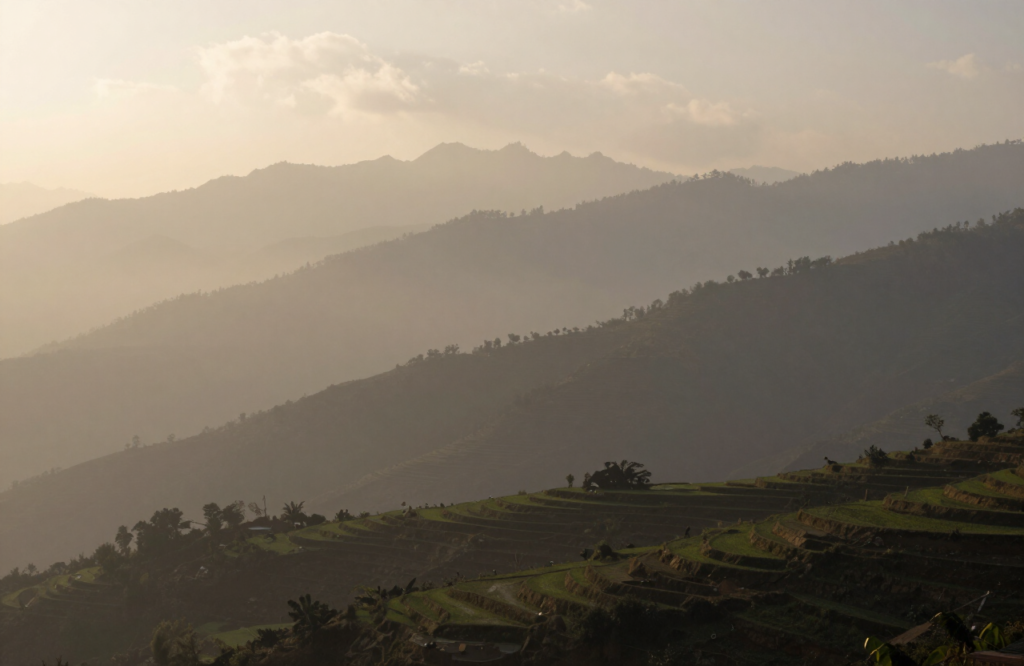
Fig. 01 The Himalayan foothills, Nepal — altitude makes the bead.
Origin
Rudraksha also grows in Indonesia and India, but connoisseurs consistently prize Nepali beads: the altitude and soil of the Himalayan foothills produce larger, denser seeds with deeper, clearer mukhi lines. Indonesian beads are smaller and smoother; Indian beads vary widely.
Every Rudransh bead is Nepali — sourced directly from foothill growers, graded in our atelier, and documented on your authenticity card.
Mukhi
The rarest. Singular focus, deep meditation. Collector-grade.
Partnership and harmony — often gifted to couples.
Energy and confidence; a bead of forward motion.
Knowledge and creativity — favoured by students and writers.
The classic. Calm, health and balance — the most widely worn bead in fine malas.
Willpower and grounding; popular with athletes and founders.
Prosperity and wellbeing — our most gifted bracelet bead.
Specialist beads, each with a distinct traditional association. Sourced on request.
The collector’s bead — rare, documented, individually certified.
Authenticity
01
Natural facets run unbroken from top to bottom of the bead. Carved or glued lines stop, waver, or sit too perfectly.
02
A genuine Nepali bead is dense and heavy for its size, with a dry, woody texture — never plasticky or waxy.
03
A real bead sinks and does not bleed colour. A supporting test only — density matters more than floating.
04
Authentic beads vary. Perfectly identical “beads” in a row are usually moulded, not grown.
The simplest test of all: buy from a house that documents origin and stands behind every bead.
Guide FAQs
The 5 Mukhi (Panchmukhi) is the universal starting point — balanced, traditional, and suitable for everyone. From there, choose by intention: 7 Mukhi for prosperity, 6 for willpower, or ask our team for a personal recommendation.
Yes. Rudraksha is worn by men and women of all ages and backgrounds. There are no restrictions — only the intention you bring to it.
Keep it simple: wear it on a morning when you are unhurried. Some wearers like to hold the beads and set a quiet intention first. There is no wrong way — consistency matters more than ceremony.
Keep beads dry, away from perfumes and soaps. Once a month, brush gently with a soft dry brush and, if you like, condition with a drop of pure sandalwood or olive oil. Store in the linen pouch provided.
We recommend removing your piece first. Prolonged water, chlorine and soap dry the bead and weaken silk thread over time.
Every Rudransh piece ships with a signed authenticity card stating origin, mukhi count and grade. Rare beads (10 Mukhi and above) include individual documentation.
Tell us who the bead is for and what you hope it brings — we will recommend the right mukhi, size and style.